Bale Clamps for Every Forklift Operation
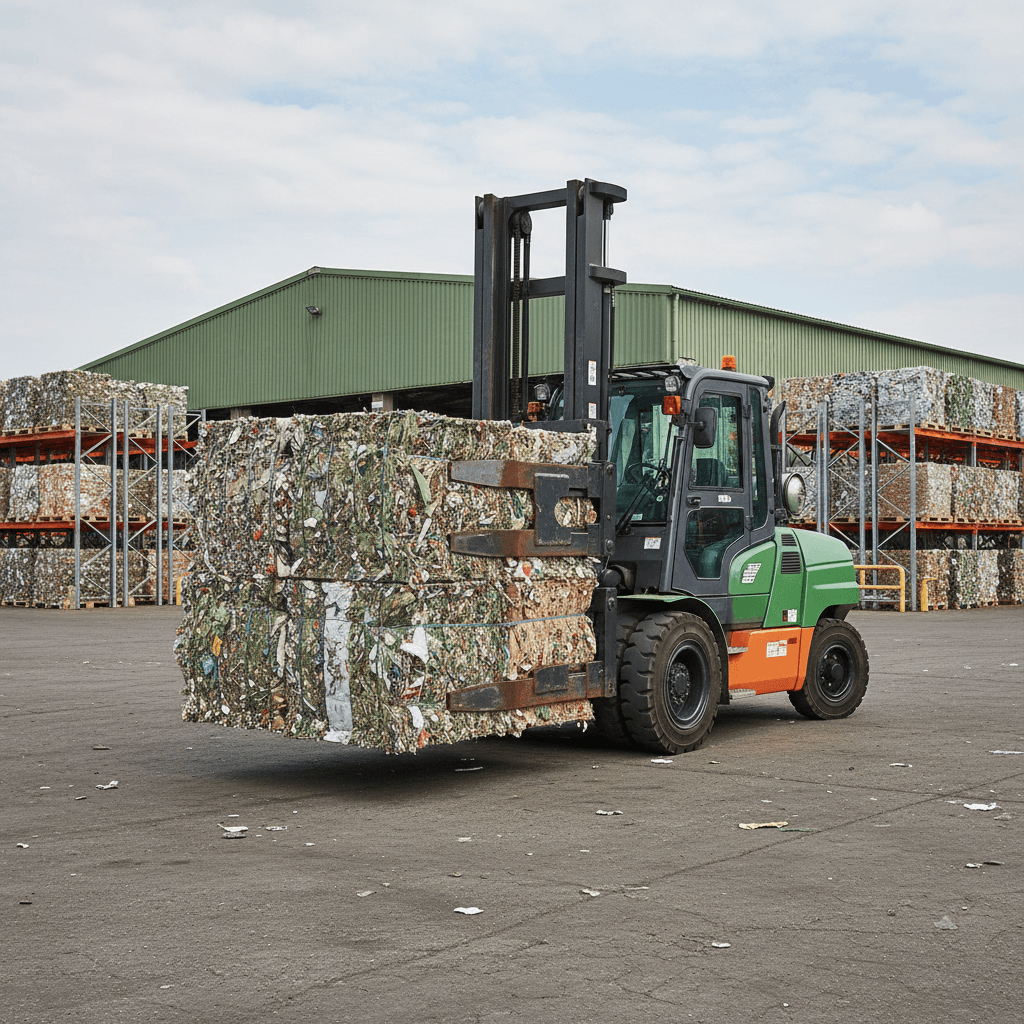
Handle recycling bales, paper, cotton, and hay faster and safer. The right bale clamp attachment turns your forklift into a high-throughput bale handling system.
2-4x
Faster than manual handling
5,000+
Lb capacity on heavy-duty models
360°
Rotation on select models
6-12 mo
Typical payback period
What Is a Bale Clamp?
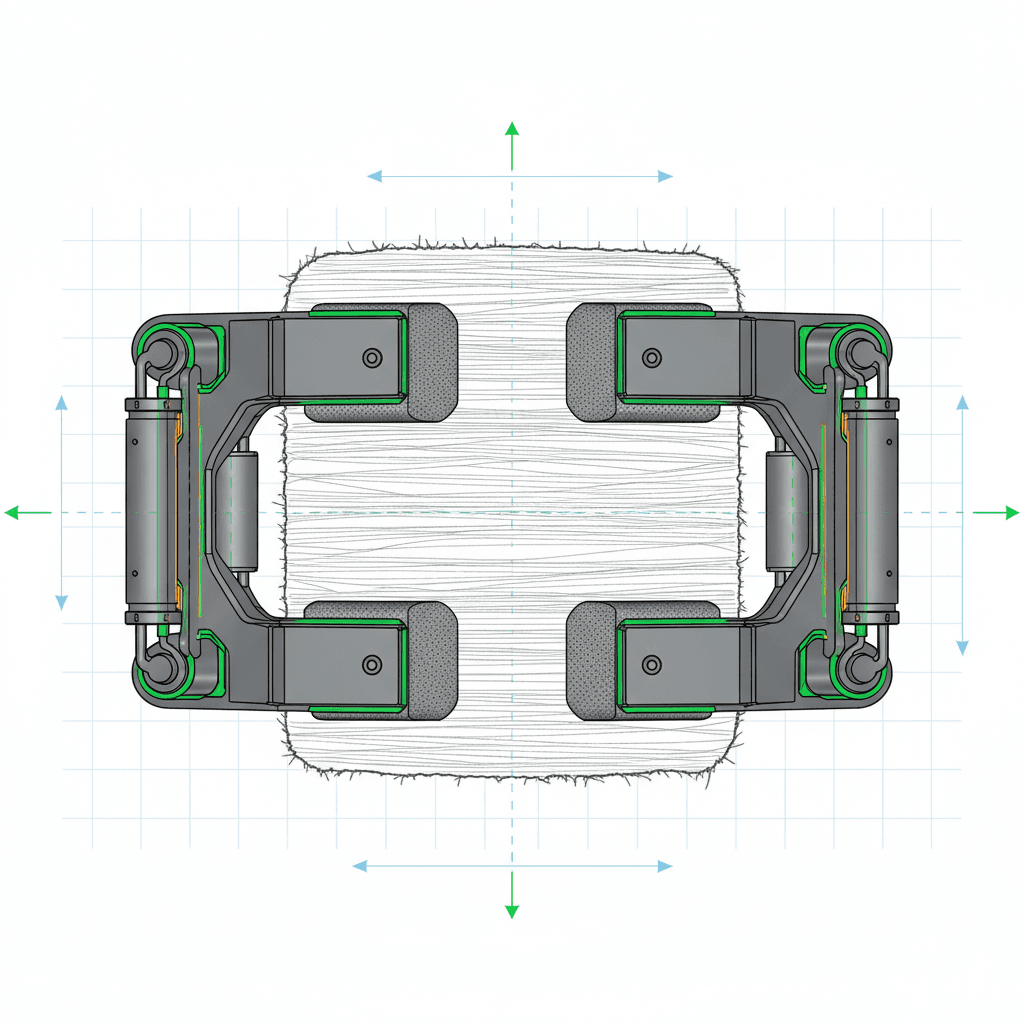
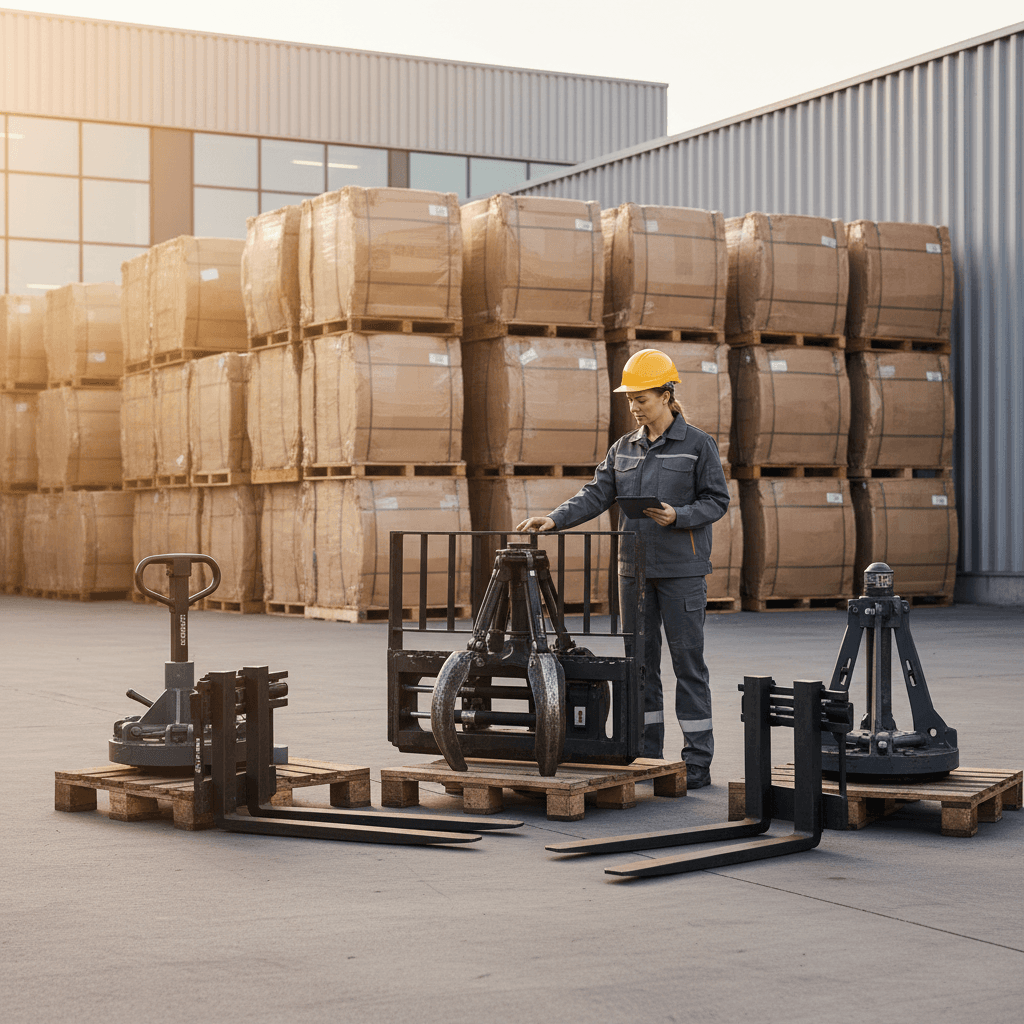
A bale clamp is a hydraulic forklift attachment with two large opposing arms that squeeze together to grip compressed bales from the sides. It replaces manual handling methods like straps, hooks, and pallet jacks.
Clamping force is adjustable to match the bale type. Lightweight hay bales need gentle pressure, while dense metal scrap bales require maximum force. Most bale clamps also feature 360-degree rotation for repositioning loads.
Recycling facilities, paper mills, cotton gins, and agricultural operations use bale clamps to speed up material flow, reduce labor costs, and minimize workplace injuries from manual bale handling.
Why Operations Switch to Bale Clamps
From recycling MRFs to cotton warehouses, bale clamps deliver measurable gains in throughput, safety, and cost savings.
Secure Bale Grip
Wide-face contact pads and adjustable hydraulic pressure hold bales firmly without tearing wrapping, breaking banding, or deforming the bale shape.
Faster Material Flow
Pick up and place bales directly from truck to storage or press to trailer. No strapping, no manual stacking, no waiting for a second handler.
Lower Handling Costs
One operator with a bale clamp replaces two or three manual laborers. Reduce labor costs, workers comp claims, and material damage.
360-Degree Rotation
Rotate bales to fit storage configurations or align with baler output. Essential for tight recycling yards and warehouse aisles.
Universal Mounting
Standard Class II, III, and IV carriage mounting. Fits Toyota, Hyster, Yale, Crown, and most major forklift brands.
Built for Abuse
Heavy-duty steel arms, sealed hydraulic cylinders, and replaceable contact pads. Designed for the rough environments of recycling yards and paper mills.
Types of Bale Clamps
Different bale materials and weights call for different clamp configurations.
Standard Bale Clamp
Two parallel arms with flat contact surfaces for standard rectangular bales. The workhorse for recycling and paper handling operations.
Best for: OCC, mixed paper, plastic bales, general recycling
Rotating Bale Clamp
Full 360-degree continuous rotation for repositioning bales. Essential when bale orientation from the baler doesn't match storage or trailer loading requirements.
Best for: Tight yards, mixed bale sizes, trailer loading
Cotton Bale Clamp
Wider arms with soft-face contact pads to prevent fiber damage. Deeper arm penetration for oversized cotton bales that weigh 400-500 lbs each.
Best for: Cotton gins, textile warehouses, fiber handling
Heavy-Duty Bale Clamp
Reinforced arms and higher clamping force for dense, heavy bales. Handles loads up to 5,000+ lbs for metal scrap bales and compressed plastics.
Best for: Metal scrap, dense plastics, industrial waste
Industry Applications
Bale clamps serve any operation that handles compressed material. These are the sectors with the highest ROI.
Recycling & Waste
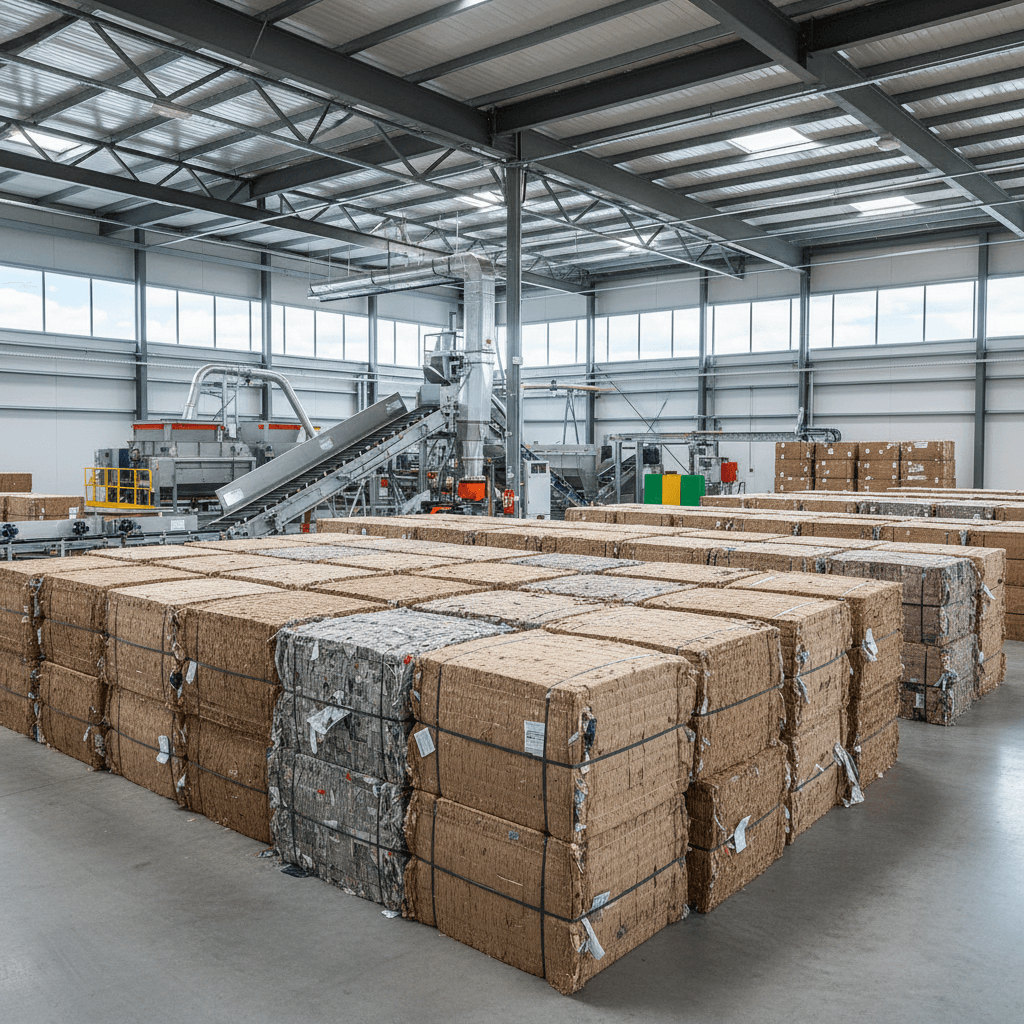
Handle OCC, mixed paper, plastic, and aluminum bales at MRFs and recycling transfer stations. The most common use case for bale clamps.
Paper & Pulp Mills
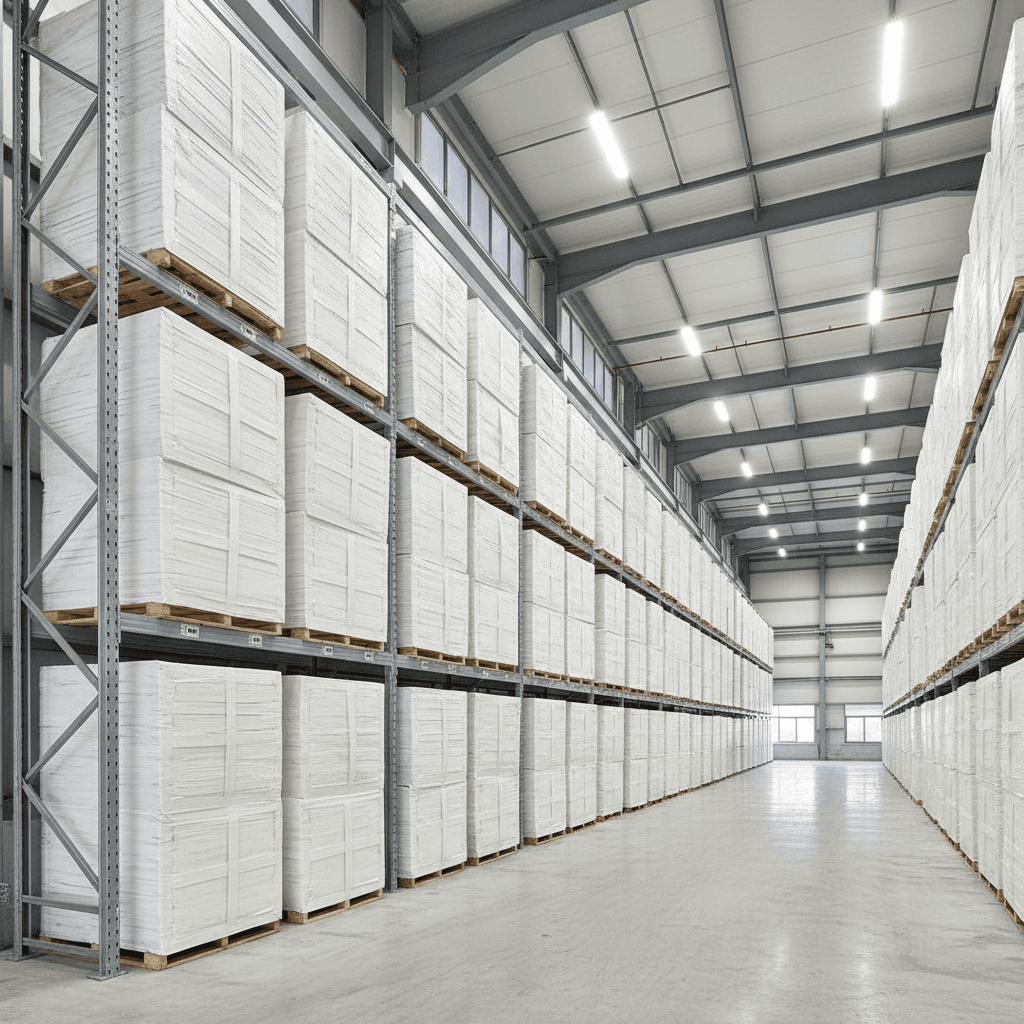
Move virgin pulp bales, finished paper bales, and waste paper from production lines to warehouse storage and outbound shipping.
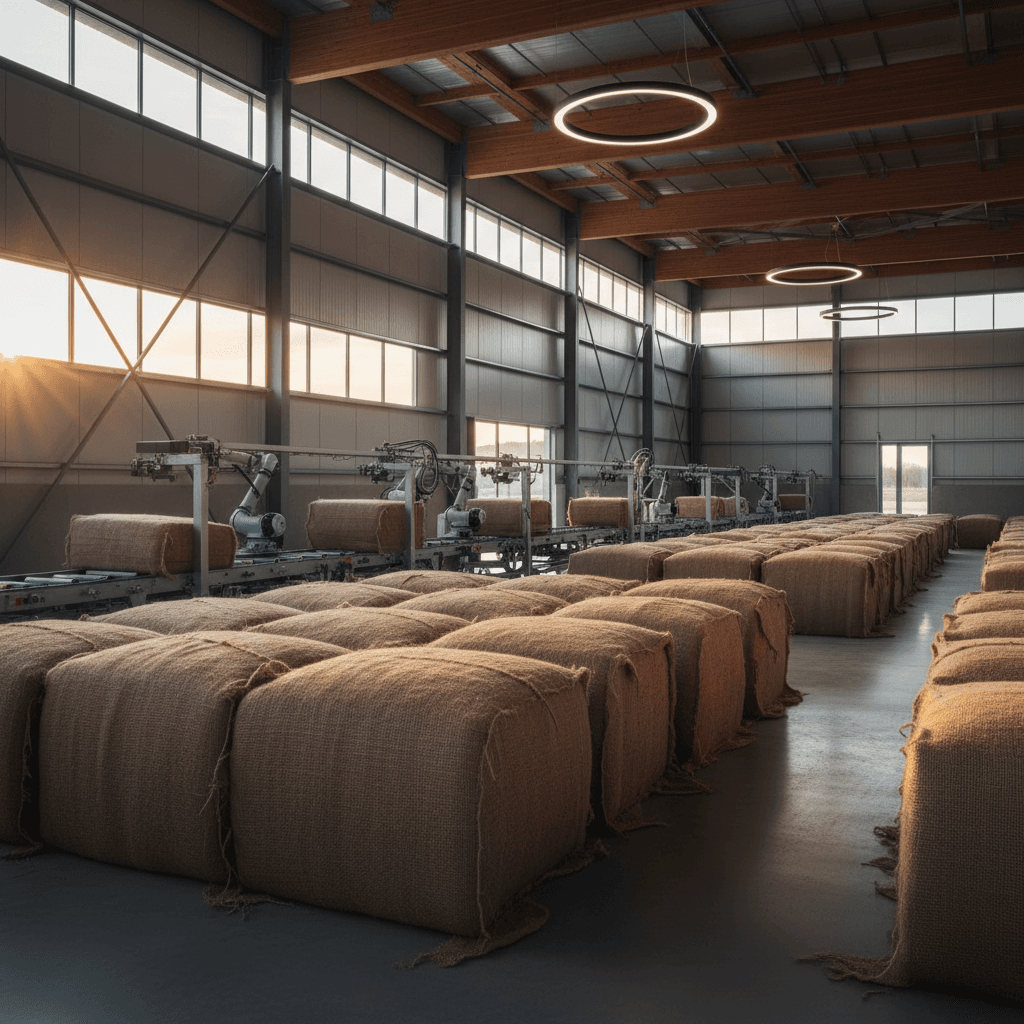
Cotton & Textiles
Transport raw cotton bales from gin to warehouse, or handle textile waste bales at recycling facilities. Soft-face pads prevent fiber damage.
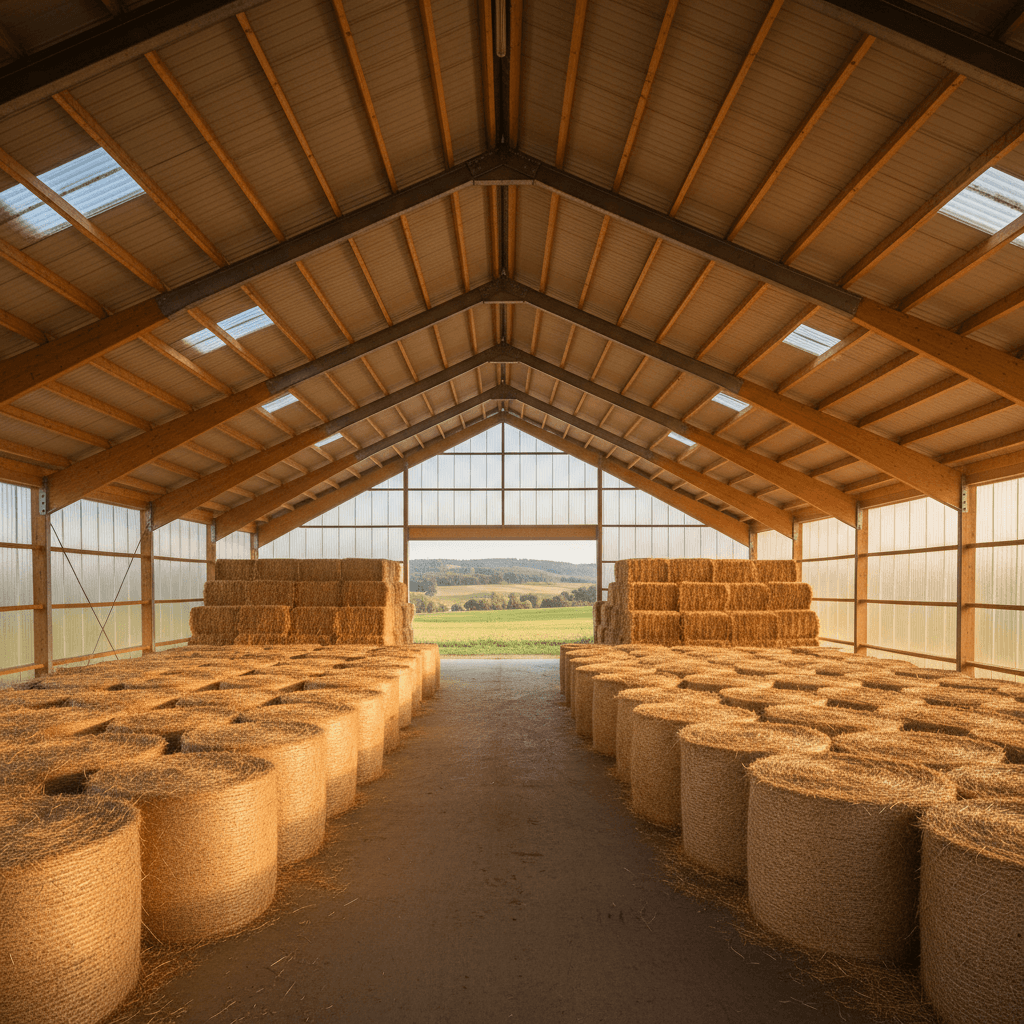
Agriculture & Hay
Move compressed hay, straw, and silage bales in feed lots, distribution yards, and agricultural warehouses.
How to Choose the Right Bale Clamp
Know Your Bales
Measure typical bale dimensions, weight, and material type. OCC bales average 1,000-1,500 lbs, cotton bales 400-500 lbs, and metal scrap bales can exceed 3,000 lbs.
Check Forklift Capacity
The bale clamp adds 800-2,000 lbs to your effective load. Make sure your forklift has enough residual capacity and hydraulic aux ports.
Match the Application
Recycling needs heavy-duty with rotation. Cotton needs soft-face pads. Hay needs basic squeeze. Paper mills need precision placement.
Calculate Your Volume
If you're handling 50+ bales per shift, the ROI case is strong. Above 200 bales per shift, a clamp is essential equipment.
Frequently Asked Questions
What is a bale clamp?
A bale clamp is a hydraulic forklift attachment with two opposing arms that squeeze together to grip bales of recycled material, paper, cotton, hay, or other compressed goods. It allows forklifts to handle bales without straps, hooks, or manual labor.
What types of bales can a bale clamp handle?
Bale clamps handle OCC (old corrugated cardboard), mixed paper, plastics, aluminum cans, cotton, hay, straw, textile waste, and metal scrap bales. The key is matching clamp size and force to your bale dimensions and weight.
How much does a bale clamp cost?
New bale clamps range from $3,000 to $12,000+ depending on capacity, rotation capability, and brand. Used units can be found for $1,500-$5,000. The ROI is typically realized within 6-12 months through reduced labor and material damage.
Can any forklift use a bale clamp?
Most counterbalance forklifts with Class II, III, or IV carriages can use bale clamps. The forklift needs adequate lift capacity (the clamp adds 800-2,000 lbs to effective load weight) and hydraulic auxiliary ports.
How do I size a bale clamp for my operation?
Measure your typical bale dimensions (width, height, depth) and weight. The clamp's arm opening must exceed your widest bale, and the rated capacity must exceed your heaviest bale plus the clamp's own weight. Most recycling operations need 48-60 inch arm openings.
Do bale clamps damage bales?
When properly adjusted, bale clamps hold bales securely without damage. The key is setting the right hydraulic pressure for your bale type. Over-clamping can crush soft bales, while under-clamping causes slippage and drops.
Get a Bale Clamp Quote
Tell us about your operation and we'll connect you with the right bale clamp solution.